Hair loss
Several distinct conditions, some reversible and some where speed of assessment matters.
What you may notice
Hair loss
Both men and women, and increasingly common with age
Hair loss is not one condition. Pattern hair loss is gradual and treatable; telogen effluvium follows a physiological stress and usually recovers; alopecia areata is autoimmune and patchy; scarring alopecias destroy the follicle permanently and are the reason a scaling, itching or tender scalp should be assessed sooner rather than later. Blood tests form part of the assessment.
Treatments
Treatments
What each treatment involves, how many sessions it takes, and what the downtime actually is.

Dermatology consultation
A full skin assessment with a consultant dermatologist, and a written plan.
- Appointment
- 30–45 minutes
- Visits
- One, with review as needed
- From
- from £195

Mole check and skin surveillance
A systematic examination of the whole skin with dermoscopy and mapping.
- Appointment
- 30–45 minutes
- Visits
- One, then annually or as advised
- From
- from £245

Skin surgery and biopsy
Removal of lesions under local anaesthetic, with histology on everything taken.
- Appointment
- 30–60 minutes
- Visits
- One, plus a wound check and suture removal
- From
- from £450

Medical management
Prescription treatment for acne, eczema, psoriasis, rosacea and hair loss, with review.
- Appointment
- 20–30 minutes per review
- Visits
- Reviews at 6–12 weeks, then as required
- From
- from £145 per review
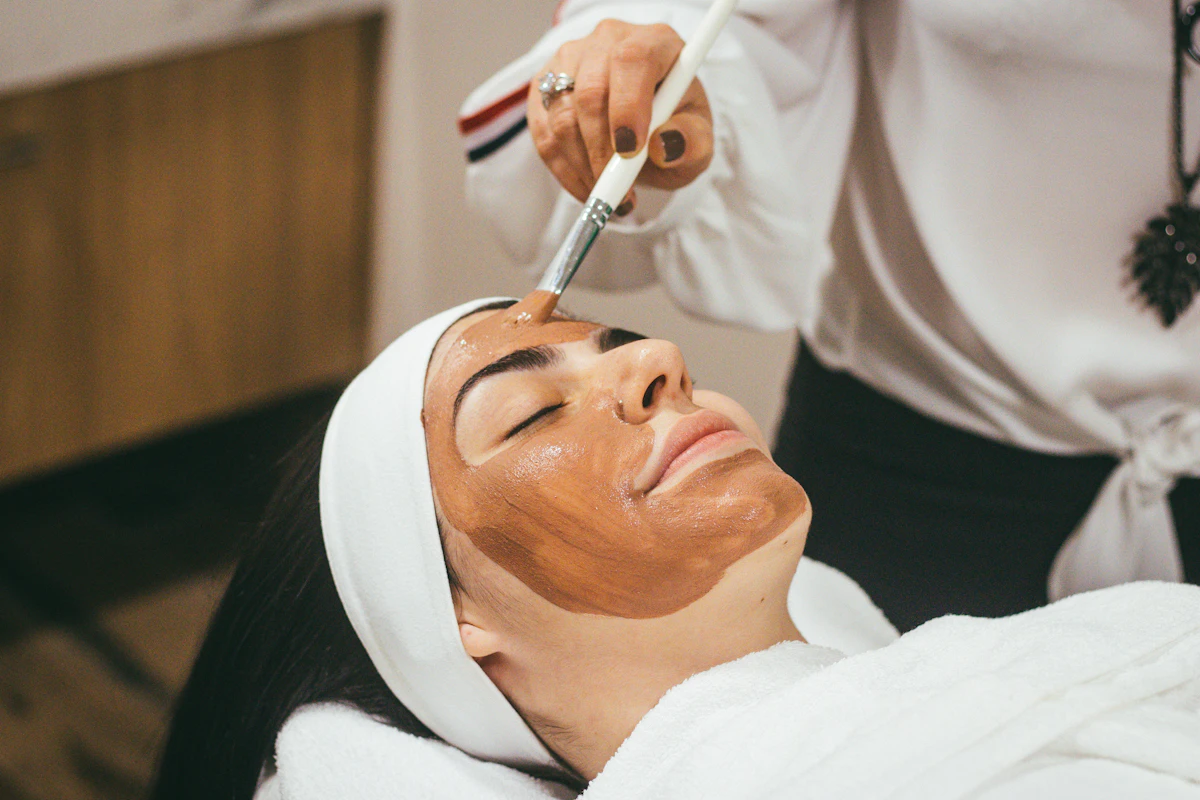
Patch testing
Identifying the substance causing a contact dermatitis, which is how it is treated.
- Appointment
- 45 minutes to apply; two further readings
- Visits
- Three visits over one week
- From
- from £550

Phototherapy
Controlled narrowband UVB, given in a cabinet two or three times a week.
- Appointment
- 5–15 minutes per session
- Visits
- 2–3 per week for 8–12 weeks
- From
- from £45 per session

Vascular laser
Treatment for facial redness, thread veins and the visible vessels of rosacea.
- Appointment
- 20–30 minutes
- Visits
- 3–5, four to six weeks apart
- From
- from £280 per session

Laser resurfacing
Fractional laser for texture, scarring and sun damage, with real downtime.
- Appointment
- 45–60 minutes
- Visits
- 1–3, spaced 6–8 weeks apart
- From
- from £650 per session

Medical chemical peel
A controlled exfoliation for pigmentation, texture and congestion.
- Appointment
- 30 minutes
- Visits
- A course of 3–6 for superficial peels
- From
- from £180 per session
Injectable treatments
Muscle-relaxing and volumising injections, given by a doctor after assessment.
- Appointment
- 30 minutes
- Visits
- One, with a review at two weeks; repeated at 3–6 months
- From
- from £280
Appointments
Book a consultation
Every treatment starts with an assessment by a dermatologist. Bring photographs of anything that comes and goes — it will not be there on the day.